What is saltwater intrusion?
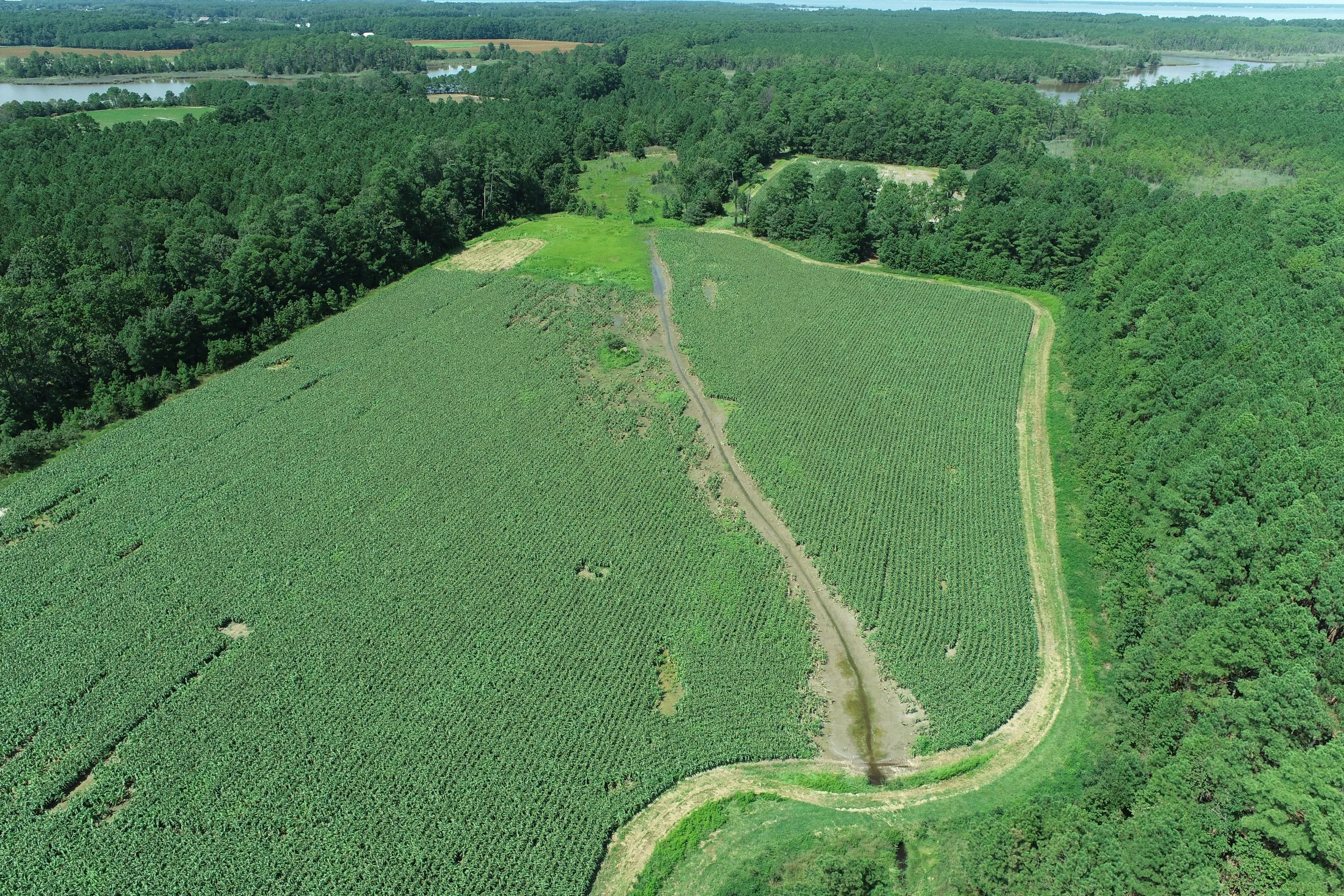
Saltwater intrusion is an often-invisible process that is challenging to identify until it has already caused substantial harm to coastal lands. Salty coastal waters seep inland – above and below ground – salinizing soils and waters, devastating crop harvests, and causing physiological drought in trees. In the low-lying Mid-Atlantic region large areas of coastal farmland and forest have converted to marsh, causing substantial economic losses and damage to ecosystems.
What is RISING?
The goal of Resilience Implementation for Salt-INtruded Geographies (RISING) Mid-Atlantic is to significantly improve the resilience and well-being of rural coastal communities in Maryland, Delaware and New Jersey who are impacted by saltwater intrusion and other coastal stressors. We will achieve this by developing and implementing coordinated, community-engaged solutions for two important coastal economic sectors: farming and forestry. Privately-owned farms and forests sit just upslope from saline marshes, which means climate change adaptation and mitigation efforts, often initiated at the regional level, must align with the goals of individual landowners for them to be successfully implemented. RISING will assemble a coalition of farmers, landowners, researchers, government, non-profits, and the private sector to develop, evaluate, and implement science-based solutions. By developing and implementing a portfolio of practical solutions, such as novel agricultural easements, web applications to map saltwater intrusion, market development for salt-tolerant crops, and alternative timber harvest strategies, the project will improve the resilience and well-being of rural coastal communities impacted by saltwater intrusion, now and in the future.
Meet the Team
-
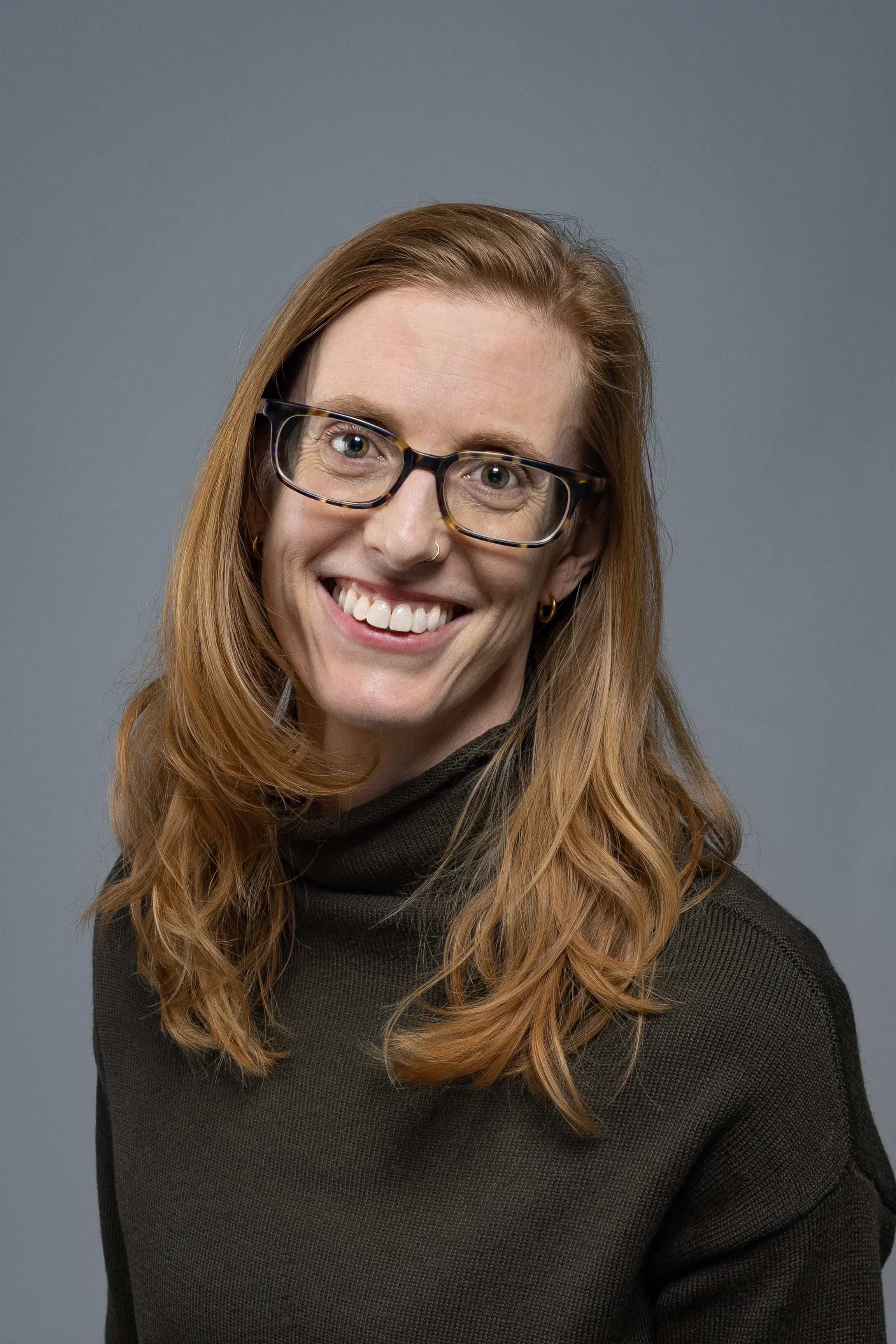
Kate Tully
Lead PI - University of Maryland
Dr. Kate Tully is an Associate Professor of Agroecology at the University of Maryland. She is a biogeochemist by training, but has spent her career working with farmers and landowners across the world as they struggle to face a changing world. -
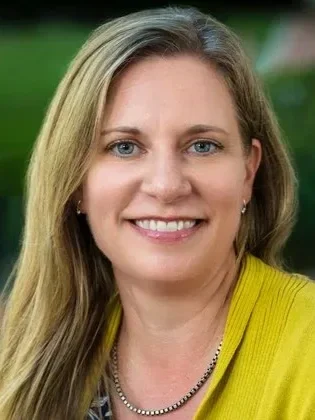
Holly Michael
Co-Lead - University of Delaware
Dr. Holly Michael is the Director of the Delaware Environmental Institute (DENIN) and a Professor in the School of Earth, Ocean & Environment at the University of Delaware. -
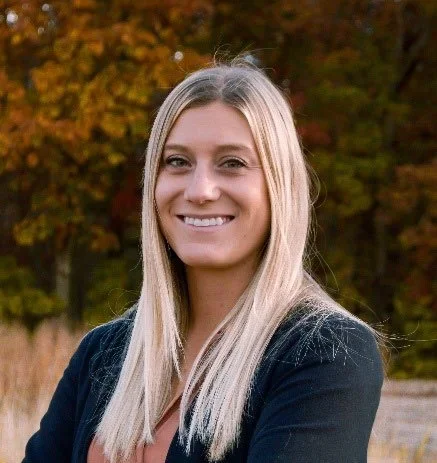
Amanda Archer
Co-Lead - Jacques Cousteau National Estuarine Research Reserve
Amanda Archer is the Coastal Training & Engagement Coordinator at the Jacques Cousteau National Estuarine Research Reserve, run by Rutgers University. -
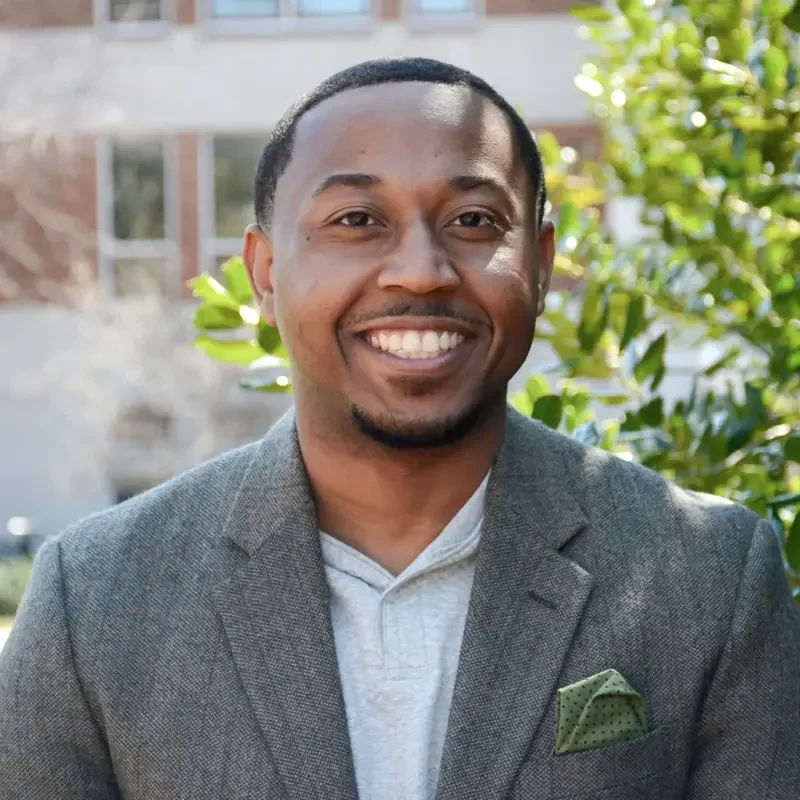
Marccus Hendricks
Co-PI - University of Maryland
Dr. Marccus Hendricks is an Associate Professor of Urban Studies and Environmental Planning and is the director of the Stormwater Infrastructure Resilience and Justice (SIRJ) Lab at the University of Maryland in the Department of Civil and Environmental Engineering. -
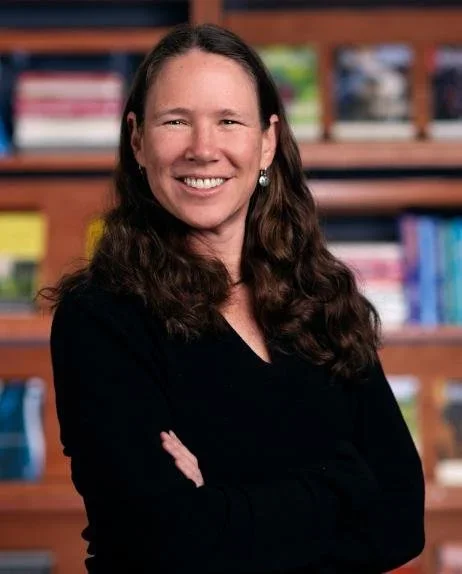
Becky Epanchin-Niell
Co-PI - University of Maryland
Dr. Becky Epanchin-Niell an Associate Professor of natural resource economics in the Department of Agricultural and Resource Economics Department at the University of Maryland.
-
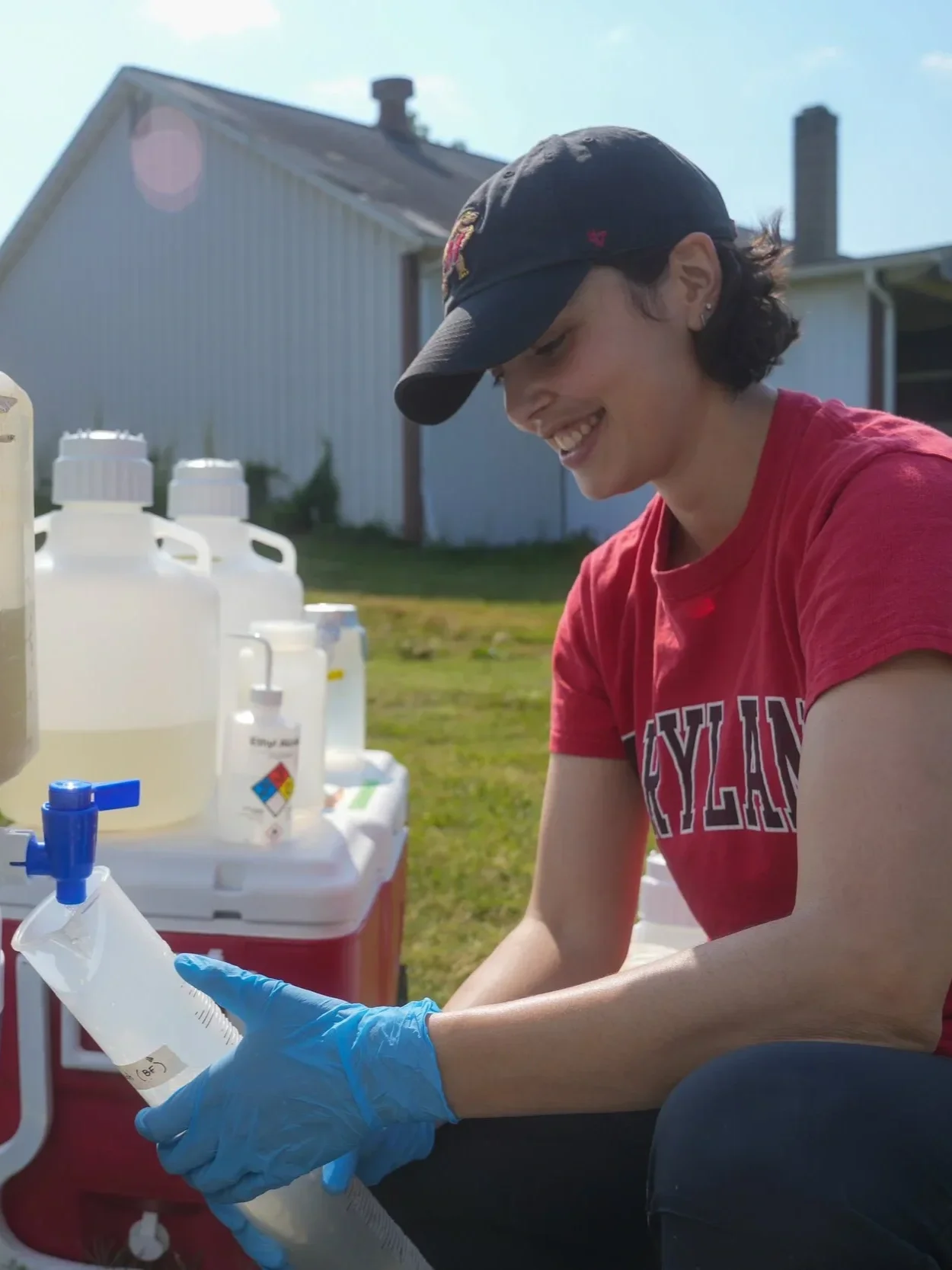
Emmie Woerner
Postdoc - University of Maryland
Dr. Emmie Woerner is a Postdoctoral Associate in Dr. Kate Tully’s Agroecology Lab at the University of Maryland. Emmie received her PhD from the School of Public Health at the University of Maryland in December 2025.
-
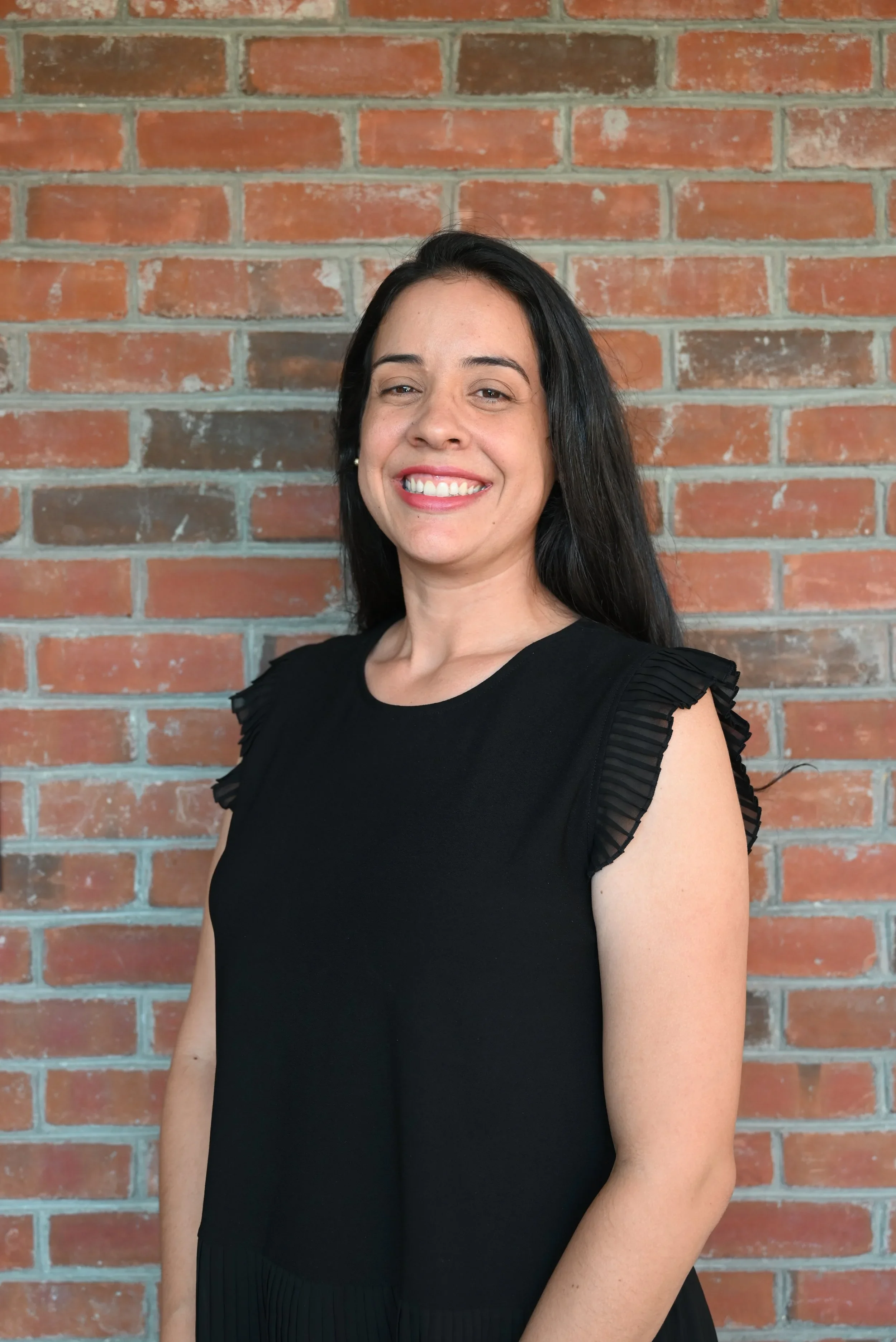
Priscila Alves
Researcher - University of Maryland
Dr. Priscila Alves is an Assistant Research Professor of Urban Studies and Planning in the School of Architecture, Planning and Preservation and is the Lab Manager of the Stormwater Infrastructure Resilience and Justice (SIRJ) Lab at the University of Maryland.
Contact us
Interested in joining the RISING network, learning more about our projects and products, collaborating with community-engaged scientists? Contact us below.